Bat Infestations in Homes: Health Risks and Safe Removal
People seeking bat infestation removal aim to eliminate health risks and safely remove bats, with local contractors equipped to handle the job effectively and humanely.
If you’ve noticed signs of bats in your home or are concerned about potential infestations, you’re in the right place. Bat infestations in homes can pose health risks due to the possibility of disease transmission and the presence of droppings that may lead to respiratory issues. Property owners in the area often seek information about safe removal methods to protect their families and maintain a healthy living environment. Understanding the risks and knowing how to address them effectively can make a significant difference, and local service providers are equipped to handle these concerns with expertise.
Exploring options for bat infestation removal is a practical step for homeowners facing these issues. Local contractors who specialize in bat removal can offer solutions that prioritize safety and effectiveness, ensuring the problem is addressed without unnecessary disruption. Whether dealing with a small colony or a more extensive problem, connecting with experienced professionals can help ensure the job is done properly. Keep reading to learn more about the health risks associated with bat infestations and how local experts can assist with safe removal.
- Bat infestation removal services - are needed when homeowners notice signs of bats in their attic or walls, and local contractors use humane and effective methods to safely remove bats and seal entry points.
- Health risk mitigation for bat infestations in homes - is essential when residents are concerned about diseases transmitted by bats, with local service providers implementing safe removal procedures to protect household members.
- Safe bat exclusion and removal - is sought when bat colonies have established themselves in a residence, and local pros focus on humane eviction and damage repair to prevent future invasions.
- Bat entry point sealing and infestation cleanup - are necessary after bat removal to prevent re-entry, with local specialists carefully sealing openings and sanitizing affected areas to reduce health risks.
- Inspection and removal of bat colonies in residential settings - are performed when homeowners suspect bat presence, with local contractors conducting thorough assessments and employing safe removal techniques to address health concerns.
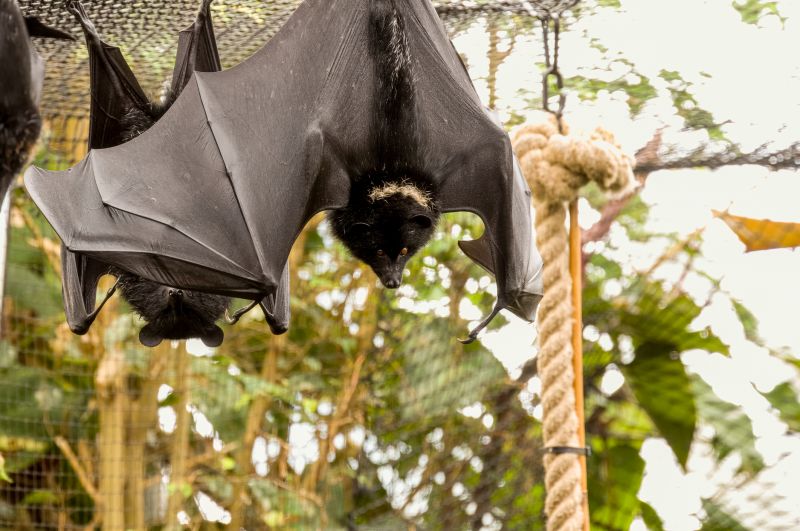
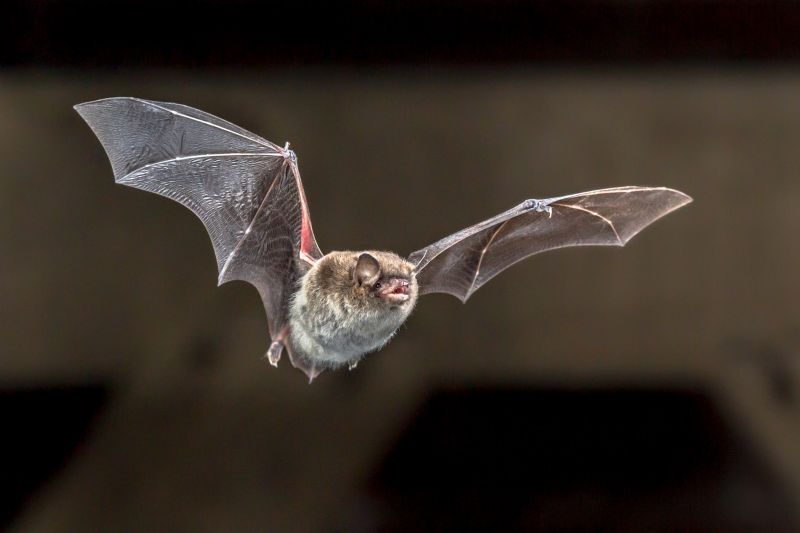
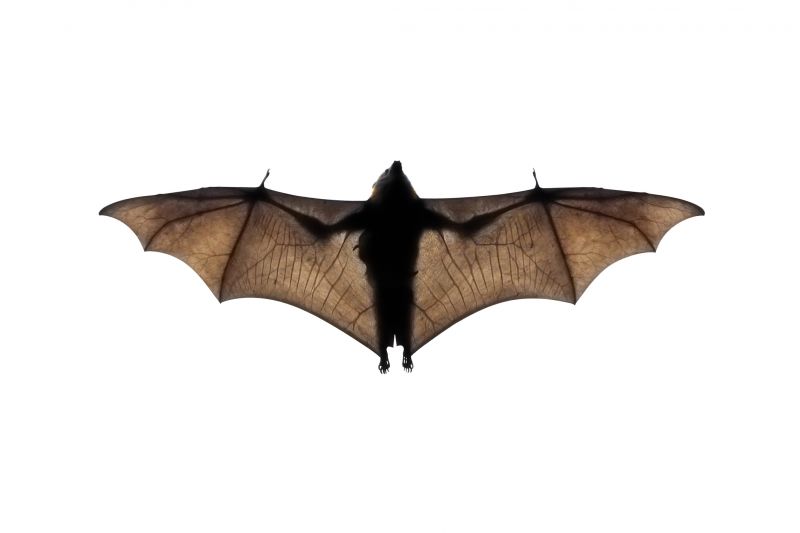
When people search for information about bat infestations in homes: health risks and safe removal, they are often concerned about the presence of bats in their living spaces and the potential dangers associated with them. This topic typically arises when homeowners notice signs such as bat droppings, unusual noises in attics or walls, or sightings of bats near their property. Many are seeking guidance on how to address these issues safely and effectively, especially since bats can carry diseases that pose health risks. The focus is on understanding the problem, preventing future infestations, and ensuring that removal methods do not harm residents or the bats themselves.
Bat infestations are commonly linked to properties with accessible attics, eaves, or other quiet, undisturbed areas that provide suitable roosting sites. These infestations can develop in a variety of residential properties, including single-family homes, apartment buildings, and even some commercial structures. Older homes or buildings with gaps, cracks, or poorly sealed entry points are particularly vulnerable to bats finding their way inside. Homeowners often relate this topic to ongoing efforts to safeguard their living environment, prevent property damage, and eliminate health hazards associated with bat droppings and urine, which can carry pathogens.
Understanding the health risks associated with bat infestations in homes is crucial for homeowners. Bats are known carriers of diseases such as histoplasmosis, rabies, and other zoonotic illnesses, which can be transmitted through contact with droppings, urine, or saliva. These health concerns make safe removal a priority, especially when the infestation is in areas where residents, pets, or children may come into contact with bat waste or find themselves exposed to bites. Many property owners are interested in learning about the importance of professional removal services that follow proper procedures to minimize health risks and prevent the spread of diseases during the cleanup process.
Local service providers specializing in bat infestation removal play a vital role in addressing these issues. They can assess the property to identify entry points and roosting sites, then implement humane and effective removal methods. These professionals often focus on sealing access points, safely removing bats, and cleaning affected areas to reduce health hazards. For homeowners, working with experienced local contractors ensures that the removal process adheres to best practices, reducing risks and preventing future problems. Connecting with these specialists is a practical step toward resolving bat infestations safely and restoring a healthy living environment.
Home inspection services - professionals skilled in identifying structural entry points and signs of pest activity, which are essential for effective bat infestation removal.
Pest exclusion services - experts who specialize in sealing entry points and preventing future bat invasions, supporting safe removal efforts in homes.
Wildlife removal services - contractors experienced in humane and safe removal of bats and other wildlife from residential properties.
Attic cleanup and restoration - specialists who can remove debris and bat guano, reducing health risks associated with bat infestations in homes.
Structural repair services - providers who can reinforce building vulnerabilities to prevent re-entry and future infestations.
Rodent and pest control services - companies equipped to handle related pest issues that may coexist with bat infestations in homes.
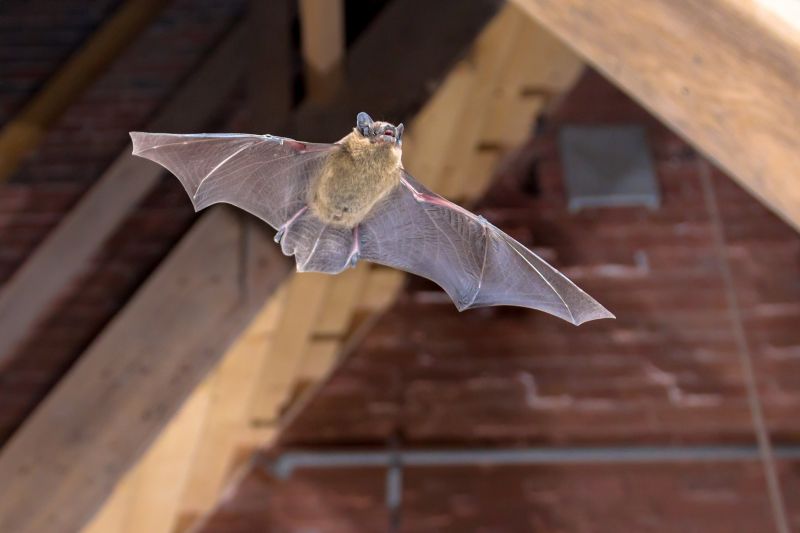
When evaluating service providers for bat infestation removal, it’s important to consider their experience with similar projects. Homeowners should look for local contractors who have a proven track record of safely and effectively handling bat infestations in residential settings. An experienced professional will be familiar with the best methods for removal, exclusion, and cleanup, ensuring the process minimizes health risks associated with bat guano and potential disease transmission. Asking about previous work on bat-related issues can provide insight into their familiarity with unique challenges and the most effective solutions for your specific situation.
Clear written expectations are essential when choosing a bat infestation removal service. Homeowners should seek providers who can offer detailed descriptions of the scope of work, including inspection procedures, removal methods, exclusion techniques, and post-removal cleanup. This transparency helps ensure there are no surprises and that all aspects of the job are understood upfront. Well-defined expectations also serve as a basis for accountability, making it easier to assess whether the service provider’s approach aligns with safety standards and best practices for health and safety during the removal process.
Reputable references and strong communication skills are key indicators of a reliable service provider. Homeowners are encouraged to request references from previous clients who experienced similar bat infestations in homes. Contacting these references can provide valuable insights into the contractor’s professionalism, responsiveness, and quality of work. Additionally, a service provider who communicates clearly and promptly can help homeowners feel more confident throughout the process, ensuring questions about health risks, removal procedures, and safety measures are thoroughly addressed. Good communication fosters a smoother experience and helps maintain clarity about the importance of safe and effective bat removal.
Property owners often search for bat infestations in homes: health risks and safe removal when they are planning practical projects around their homes and businesses. Local pros provide Bat Infestation Removal services for everyday jobs and straightforward project options.
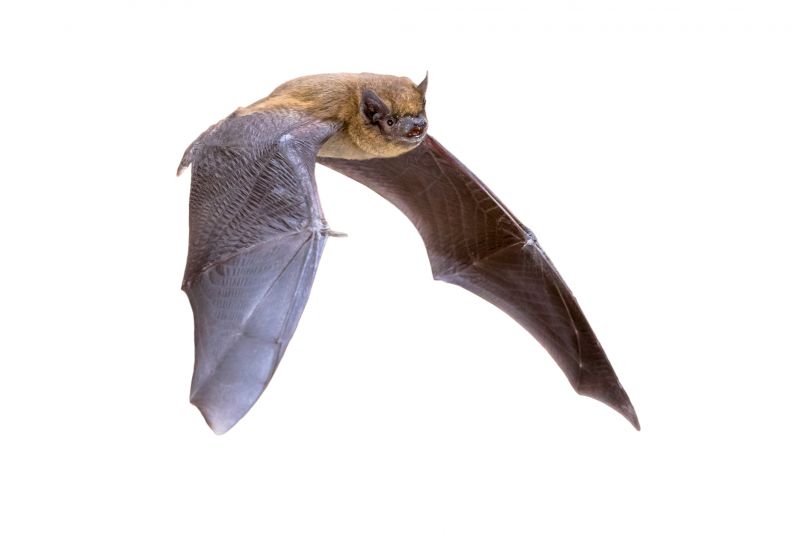

Bat infestations in homes can pose significant health risks, making it important for property owners to address the issue promptly. Bats often seek shelter in attics, walls, or other hidden areas, and their droppings can create unsanitary conditions that may contribute to respiratory problems or the spread of diseases. Homeowners noticing signs of bats, such as strange odors or droppings, might consider reaching out to local contractors experienced in bat removal to ensure safe and effective clearance. Professional removal services can help prevent further health hazards while protecting the home’s structure from damage caused by prolonged infestation.
Many property owners in the area look into bat infestation removal services when they find evidence of bats roosting in their homes. Handling a bat problem on their own can be tricky and potentially dangerous, which is why consulting with local service providers is often recommended. Experienced contractors can assess the situation, identify entry points, and implement humane removal methods to safely eliminate the bats. This approach not only helps mitigate health risks but also ensures the problem is resolved thoroughly, giving homeowners peace of mind that their living space is safe and bat-free.
What are the health risks associated with bat infestations in homes? Bat infestations can pose health risks such as exposure to rabies, histoplasmosis from droppings, and allergic reactions. Local contractors experienced in bat removal can assess and mitigate these health hazards safely.
How do professionals handle the safe removal of bats from a house? Service providers use humane and effective methods to safely remove bats, including sealing entry points and safely relocating the animals. They follow best practices to prevent future infestations and protect residents.
What signs indicate a possible bat infestation in a home? Common signs include seeing bats entering or exiting the building at dusk, the presence of droppings or urine stains, and noises in walls or attics. Local experts can confirm and address these signs effectively.
Are there health concerns related to bat droppings and guano in homes? Yes, bat droppings can carry fungi and bacteria that cause respiratory issues and other illnesses. Professional removal services are equipped to clean and decontaminate affected areas safely.
Why should a homeowner seek professional bat removal services rather than attempting DIY removal? Professionals have the expertise and tools to remove bats humanely, prevent re-entry, and handle cleanup safely, reducing health risks and ensuring effective, long-term solutions.
Identify bat entry points - property owners can inspect their homes for small openings or cracks where bats may enter, and then seek local contractors to seal these areas safely.
Assess health risks - understanding the potential health hazards associated with bat infestations in homes can encourage timely professional removal to prevent disease transmission.
Plan for safe removal - property owners can work with local pros to develop a removal strategy that minimizes risks to residents and ensures effective bat exclusion.
Implement exclusion techniques - after bat removal, local contractors can install exclusion devices and ensure all entry points are properly sealed to prevent future infestations.
If you are thinking about bat infestations in homes: health risks and safe removal for a property, this guide is meant to help you understand this topic, the typical project types, and how different options might fit your plans.
When you are ready, you can use the quote form on this page to share a few details about your project. From there, local pros can review the basics and follow up with options that match what you have in mind.